
Guide
How to Plan a Cheap Wedding That Doesn't Feel Cheap
The way to plan a cheap wedding is to make three big decisions early: agree on a firm total, keep the guest count small, and choose a venue that doesn't need dressing up. Those three choices decide most of what you spend; the hundred small savings after that are a bonus.
This guide walks through those decisions in order, then covers where an inexpensive wedding saves the most, which corners not to cut, and how to keep the number from creeping once the bookings start.
Why the big decisions matter more than the small ones
A US wedding cost $34,200 on average in 2025, or $292 per guest across 117 guests, according to The Knot 2026 Real Weddings Study (updated June 24, 2026). The same study puts the reception venue at $12,900 on average and catering at $80 per person.
Do the maths on those two lines alone. For 117 guests, venue plus catering comes to roughly $22,000, about two thirds of the average total. That is why skipping favours or making your own place cards barely moves the number, while changing the venue or the headcount moves it a lot.
The figures above are US averages in US dollars. Australian and UK costs differ, but the shape is the same everywhere: venue and food are the biggest lines, and both grow with every guest.
Step 1: Agree on a number before you look at anything
Before you open a single venue website, sit down together and decide on a total you can pay without regret. Include any family contributions only once they are confirmed, and decide what happens if they change.
- Pick a total, not a range. "Around 15 to 20" quietly becomes 20.
- Hold back 10% as a buffer. Service charges, taxes, delivery fees and late extras appear in every wedding.
- Name your top three. Most couples care most about a few things: the food, the photos, the music, the outfits. Fund those first and keep the rest simple.
If you are still saving for a wedding, work backwards from the date: the total, less what you have, divided by the months left, is what you need to put aside each month. If that figure is uncomfortable, a later date or a smaller plan is cheaper than debt.
Step 2: Shrink the guest count first
The guest count is the single biggest lever on an affordable wedding. The Knot's 2026 study shows how spending changes with size:
| Number of guests | Average spend (US, 2025 weddings) |
|---|---|
| 1 to 50 | $17,100 |
| 51 to 100 | $27,200 |
| Over 100 | $43,300 |
Cost doesn't fall in proportion to guests, because the photographer, the outfits and the rings cost the same for 40 people or 140. What scales with headcount is food, drink, chairs, tables, stationery and venue size. Still, moving down a bracket is the biggest saving most couples can make.
Ways to cut the count without hurt feelings:
- Set rules, not exceptions. "No plus-ones unless you live together" or "no work colleagues" is easier to explain than a list of individual cuts.
- Decide on children. An adults-only reception can remove a whole table or two.
- Split the day. A small ceremony with close family, then a relaxed party for everyone later, lets you keep the expensive part (dinner) small.
Write everyone down in one place before you ask for any venue quote. The free Garterly wedding guest list gives you a running count, so you know which bracket you are in.
Step 3: Choose an affordable venue
Once you know your headcount, the venue is where a budget friendly wedding is won or lost.
Ask about off-peak dates
Many venues charge less for weekdays, Sundays or quieter months. The Knot's study shows a small seasonal gap in US spending: $35,400 on average for July to September weddings, against $33,200 for January to March and October to December. Your venue's own off-peak rates are the number that matters, so ask each one directly.
Look for venues that include more
A venue that includes tables, chairs, linen, staff and in-house catering can cost less overall than a cheaper empty space where you hire everything separately. Compare total quotes, not hire fees.
Backyard weddings on a budget
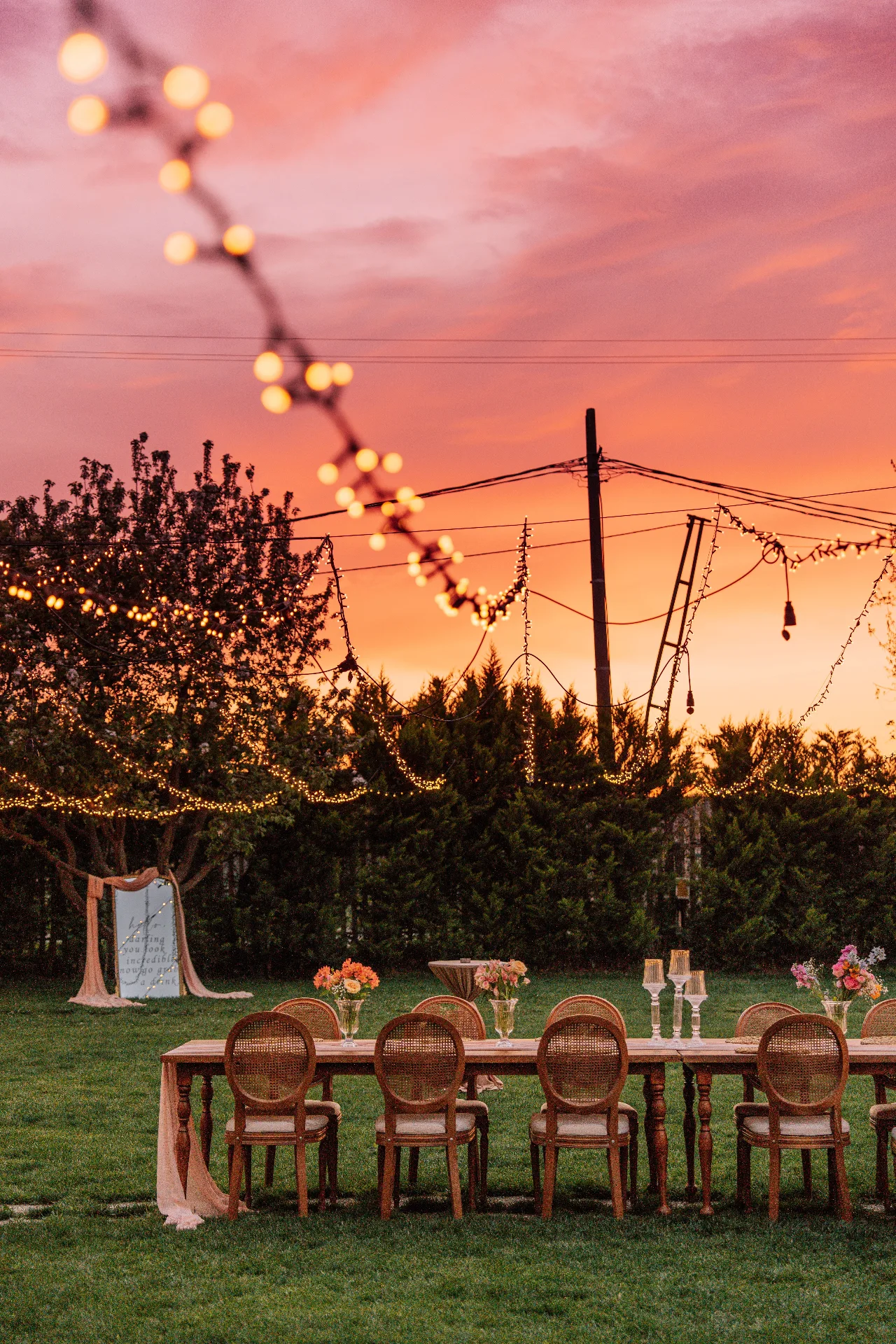
A family garden or a friend's property can be the cheapest way to do a wedding, but only if you price it honestly. You may need to hire toilets, a marquee, lighting, power, tables, chairs and a caterer's equipment, and check whether any local permits or noise limits apply. Get those quotes before you decide it is the cheap option.
Use one venue for everything
Holding the ceremony and reception in the same place saves transport, a second hire fee and an hour of guest waiting time. It also simplifies your day; see our wedding ceremony and reception timeline for how a single-venue day flows.
Where an inexpensive wedding saves the most
After the venue and headcount, these are the areas with the most room to save. Use the list to decide where to spend less, not to cut everything.
| Area | Ways to spend less |
|---|---|
| Food | Lunch instead of dinner; a cocktail-style reception with canapés and substantial share plates; a food truck; family-style platters |
| Drinks | A limited bar (beer, wine and one signature drink); a set bar tab; check whether BYO is allowed and what corkage costs |
| Ceremony | A short civil ceremony; a registry office, courthouse or a celebrant's small-wedding package; ask your celebrant, officiant or registrar what is legally required where you marry |
| Photography | Fewer hours of coverage, focused on the ceremony, family photos and the first part of the reception |
| Flowers | Seasonal and local flowers; reuse ceremony arrangements at the reception; greenery instead of large installations |
| Outfits | Off-the-rack, sample sales, pre-loved or rented; let attendants wear their own outfits in a colour you choose |
| Music | A playlist with a good speaker system for dinner; a DJ for the dancing hours only |
| Cake | A small cake for cutting, with a sheet cake or dessert table served from the kitchen |
| Stationery | Digital save-the-dates and invitations; print only for guests who need paper |
Spend on photos, save on hours
If photography is in your top three, keep the photographer and trim the hours instead. Give them a clear wedding photo shot list so the shorter booking still covers every photo you care about.
Weddings under 10k
A wedding under $10,000 is realistic for many couples, but usually only with a small guest count. In The Knot's study, couples who set a budget up to $15,000 spent $8,900 on average. The common pattern is a short ceremony, 30 to 50 guests, a lunch or cocktail-style meal, and one or two vendors doing most of the work.
Corners not to cut
Some savings cost more than they save. Keep these in the budget:
- Contracts. Every vendor, including friends, should confirm in writing what they will do, when and for how much.
- Food for everyone. Guests remember being hungry. If you go cocktail-style, make sure there is enough substantial food across the evening.
- Someone to run the day. If you skip a planner or coordinator, ask a calm, organised friend to be the contact for vendors on the day so you two aren't fielding calls.
- Legal paperwork. Notices, licences and witness requirements vary by country and state. Confirm the details and deadlines with your celebrant, officiant or registrar early.
- Insurance and deposits. Read cancellation and refund terms before you pay anything.
Tips for keeping the cost from creeping
A low budget wedding usually goes over in the last three months, through small add-ons nobody tracked. A few habits stop that:
- Write every quote down in one place, with what it includes. The cheapest-looking quote often isn't once delivery, staff and setup are added.
- Track deposits and due dates. Most vendors take a deposit at booking and the balance close to the day. Knowing what is due when keeps the final month calm.
- Book in the right order. Venue and headcount first, then the vendors who book out early. A dated wedding checklist from your wedding date shows what usually needs to happen when, so nothing is rushed and overpriced.
- Keep the day simple. Fewer moving parts means fewer vendor hours. Enter your ceremony time in the free wedding day timeline to see how long you really need each vendor for.
- Say no to the upsell once. If something wasn't in your top three before you saw it, it probably doesn't need to be in the budget now.
Plan your budget in Garterly. With the Garterly wedding budget planner you two can set targets by category, compare vendor quotes and track every deposit and payment due, together, in one place.
Frequently asked questions
What is the cheapest way to do a wedding?
A short civil ceremony at a registry office or courthouse with a couple of witnesses, followed by a meal with close family, is usually the cheapest legal option. Check fees and requirements with your local registrar or clerk.
How do you have a nice wedding on a small budget?
Keep the guest count small, choose a venue that already looks good, and spend most of the money on your top three priorities. Simple and well done feels better than everything done cheaply.
Can you have a wedding for under $10,000?
Yes, usually with a small guest list, a lunch or cocktail-style meal and fewer vendor hours. In The Knot 2026 Real Weddings Study, couples with a budget of up to $15,000 spent $8,900 on average.
What should you not cut from a wedding budget?
Enough food, written contracts, the legal paperwork and someone to manage vendors on the day. Cutting those tends to cost more stress, or money, later.
How much should we save for a wedding?
Start from the total you two agree on, add a 10% buffer, subtract what you already have, and divide by the months until your date. That monthly figure tells you whether your date and plan are realistic.